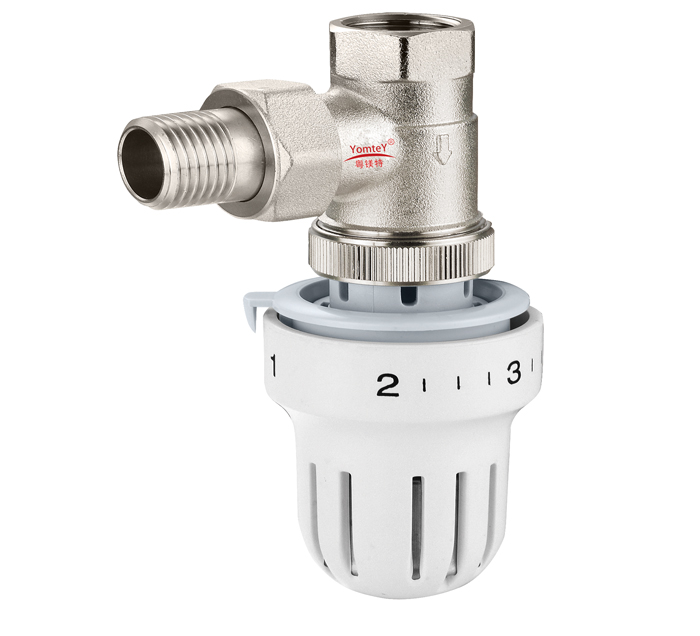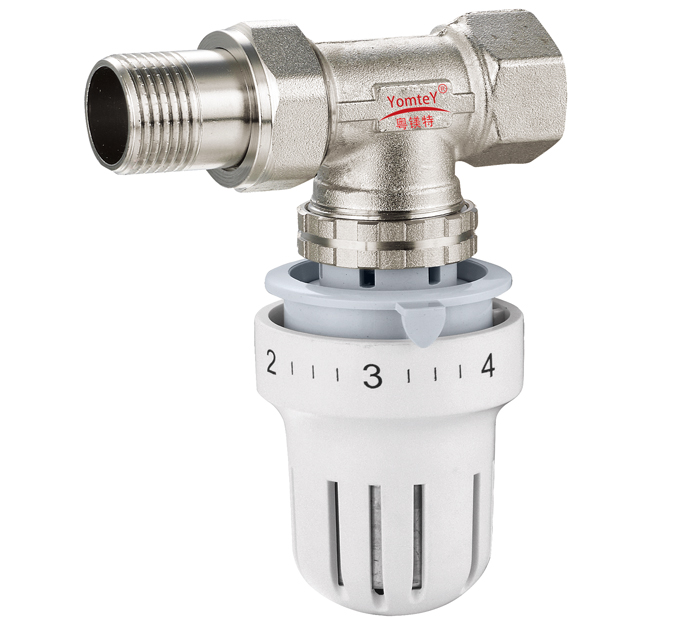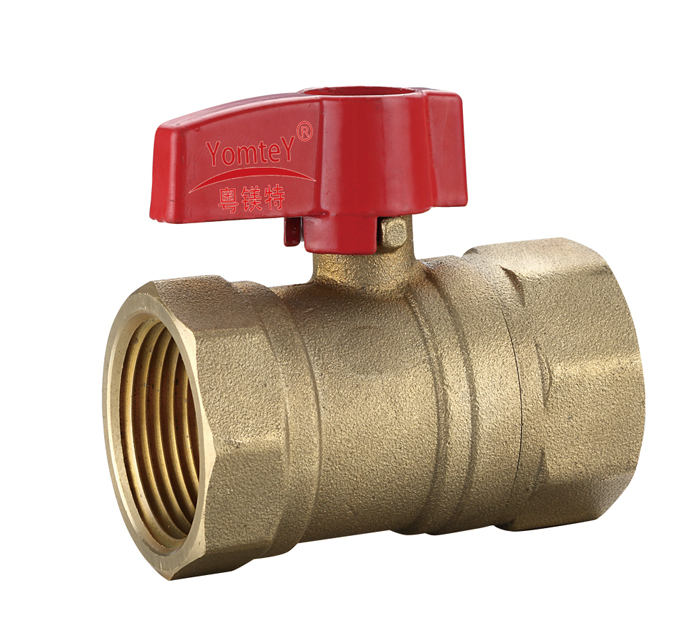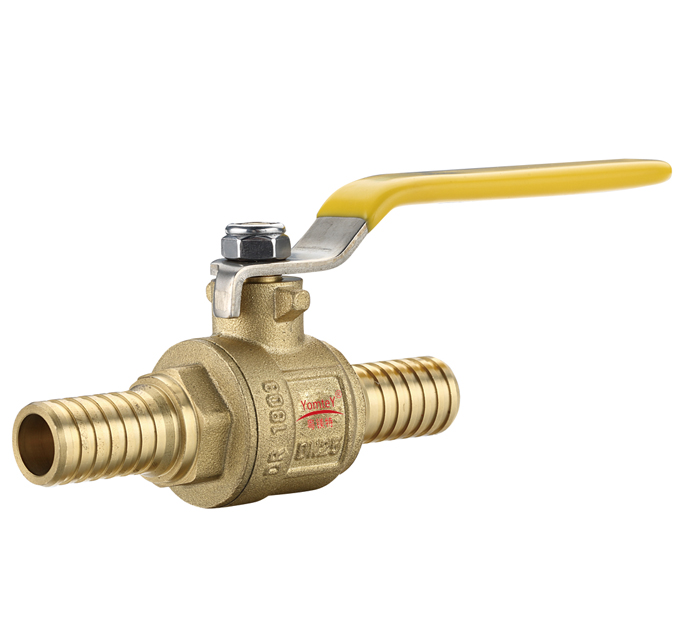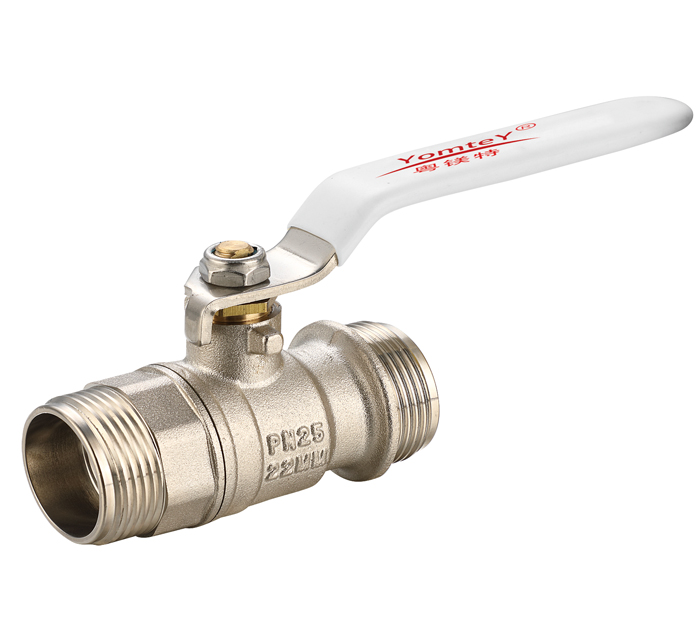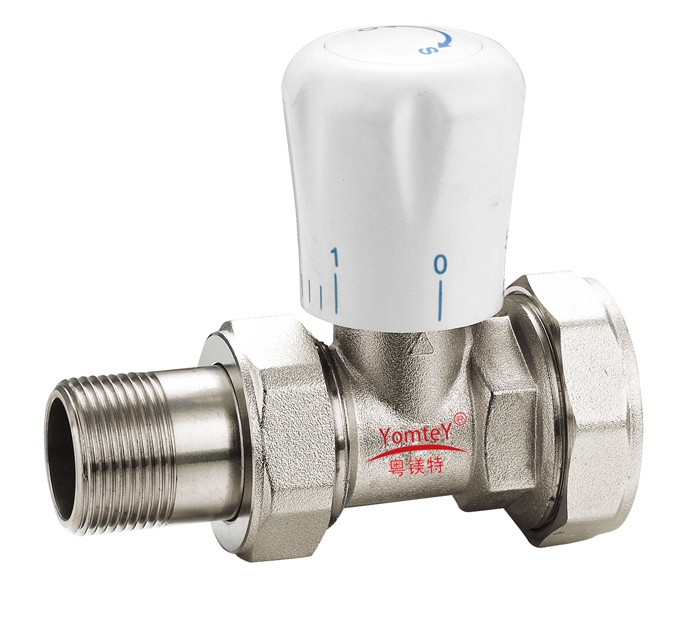
In fluid piping systems, valves are control elements whose primary functions include isolating equipment and pipeline systems, regulating flow, preventing backflow, and adjusting or relieving pressure. They can be used to control the flow of various types of fluids, such as air, water, steam, various corrosive media, sludge, oil products, liquid metals, and radioactive media. Since choosing the most suitable valve for a piping system is crucial, understanding the valve's characteristics, as well as the steps and basis for valve selection, becomes vital.
First Category: Automatic Valves: Valves that operate automatically based on the energy of the medium (liquid or gas) itself. Examples include check valves, safety valves, control valves, steam traps, and pressure reducing valves.
Second Category: Actuated Valves: Valves that are operated using manual, electric, hydraulic, or pneumatic power. Examples include gate valves, globe valves, throttle valves, butterfly valves, ball valves, and plug valves.
Globe Type: The closing element moves along the center line of the seat.
Gate Type: The closing element moves along a line perpendicular to the center line of the seat.
Plug and Ball Type: The closing element is a plug or ball that rotates around its own center axis.
Swing Type: The closing element rotates around a pin located outside the valve seat.
Disc Type: The closing element is a disc that rotates around a shaft within the valve seat.
Slide Type: The closing element slides perpendicular to the direction of the fluid passage.
On-Off Use: Used to connect or cut off the medium flow in the pipeline, such as globe valves, gate valves, ball valves, and butterfly valves.
Check Use: Used to prevent the medium from flowing backward, such as check valves.
Regulation Use: Used to regulate the pressure and flow of the medium, such as control valves and pressure reducing valves.
Distribution Use: Used to change the flow direction or distribute the medium, such as three-way plugs, distribution valves, and slide valves.
Safety Use: Used to discharge excess medium when the pressure exceeds a specified value, ensuring the safety of the pipeline system and equipment, such as safety valves and emergency shut-off valves.
Other Special Uses: Such as steam traps, vent valves, and drain valves.
Manual: Driven by human power using a handwheel, handle, lever, or chain wheel; includes gear-reduction devices like worm gears or spur gears for larger torque requirements.
Electric: Driven by motors or other electrical devices.
Hydraulic: Driven by liquids (water or oil).
Pneumatic: Driven by compressed air.
Vacuum Valve: Valves with an absolute pressure of (i.e., 760 mm of mercury column), typically expressed in mm of mercury or mm of water column.
Low-Pressure Valve: Valves with a nominal pressure (including steel valves with ).
Medium-Pressure Valve: Valves with a nominal pressure of PN2.5–6.4 MPa.
High-Pressure Valve: Valves with a nominal pressure of PN10.0–80.0 MPa.
Ultra-High-Pressure Valve: Valves with a nominal pressure of .
General Valve: Applicable to medium temperatures from −40∘C to 425∘C.
High-Temperature Valve: Applicable to medium temperatures from 425∘C to 600∘C.
Heat-Resistant Valve: Applicable to medium temperatures above 600∘C.
Low-Temperature Valve: Applicable to medium temperatures from −150∘C to −40∘C.
Ultra-Low-Temperature Valve: Applicable to medium temperatures below −150∘C.
Small Bore Valve: Nominal diameter .
Medium Bore Valve: Nominal diameter DN50–300 mm.
Large Bore Valve: Nominal diameter DN350–1200 mm.
Extra-Large Bore Valve: Nominal diameter .
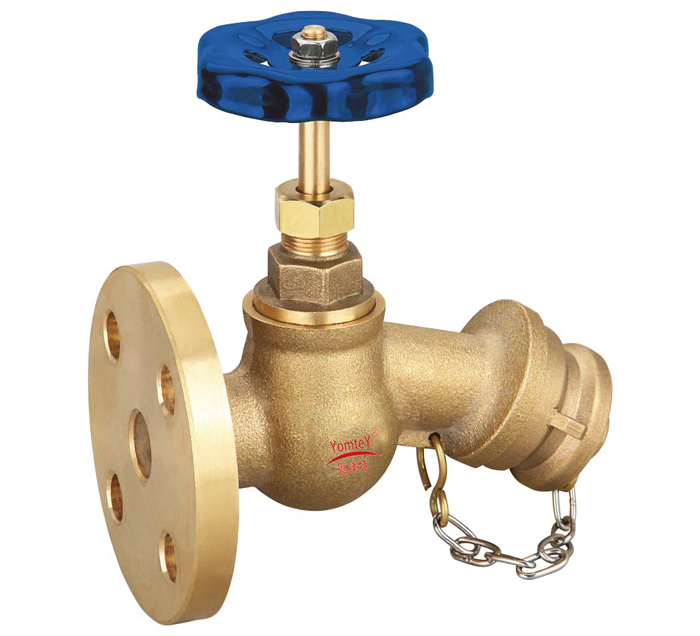
Flanged End Valve: The valve body has flanges and is connected to the pipeline using flanges.
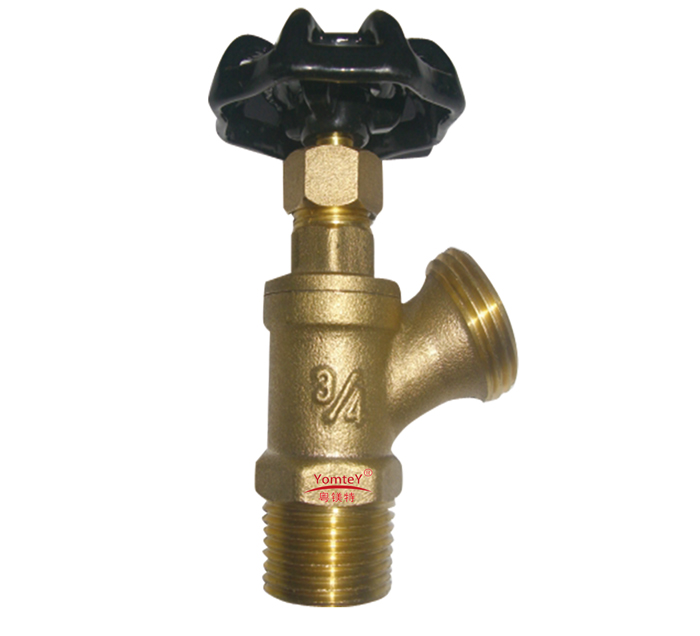
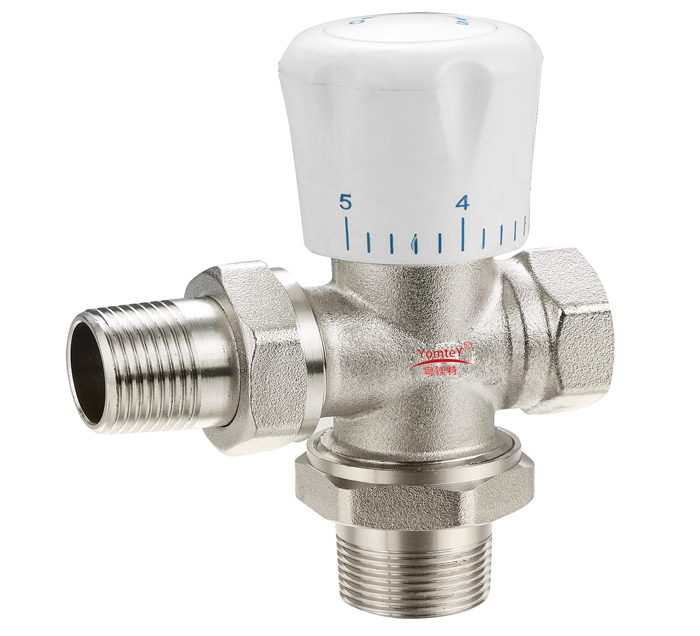
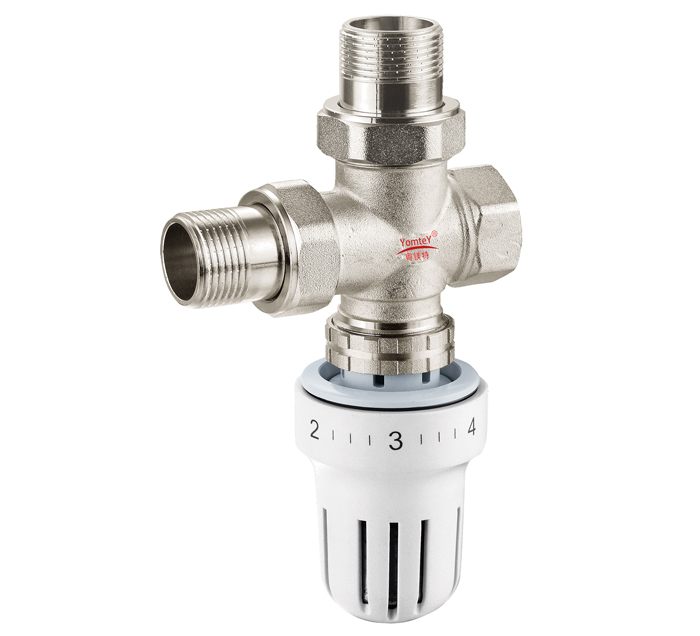
Threaded End Valve: The valve body has internal or external threads and is connected to the pipeline using threads.
Welded End Valve: The valve body has welding ends and is connected to the pipeline by welding.
Clamp End Valve: The valve body has grooved ends and is connected to the pipeline using clamps.
Compression Fitting Valve: Connected to the pipeline using compression fittings.
Valves generally have two types of characteristics: Service Characteristics and Structural Characteristics.
Service Characteristics: These define the valve's main performance and scope of use. They include: the valve's category (shut-off valve, regulating valve, safety valve, etc.); the product type (gate valve, globe valve, butterfly valve, ball valve, etc.); the materials for the main components (body, bonnet, stem, disc, sealing surface); and the valve's method of actuation.
Structural Characteristics: These define the structural features related to the valve's installation, repair, and maintenance. They include: the valve's face-to-face dimension and overall height; the connection method to the pipeline (flanged, threaded, clamped, compression fitting, welded ends, etc.); the form of the sealing surface (ring insert, threaded ring, overlay welding, spray welding, or body material itself); and the structure of the valve stem (rotating stem, rising stem, etc.).
Define the valve's purpose within the equipment or device, and determine the operating conditions: applicable medium, working pressure, working temperature, etc.
Determine the nominal diameter and the connection method of the pipe connecting to the valve: flange, thread, welding, etc.
Determine the valve actuation method: manual, electric, electromagnetic, pneumatic or hydraulic, electro-pneumatic or electro-hydraulic linkage, etc.
Determine the material for the valve body and internal parts based on the conveyed medium, working pressure, and working temperature: grey cast iron, malleable cast iron, ductile iron, carbon steel, alloy... (Note: The Chinese text was cut off here, but this step continues to list material options.)
Copyright © YomteY Group Co., Ltd. All Rights Reserved | Sitemap