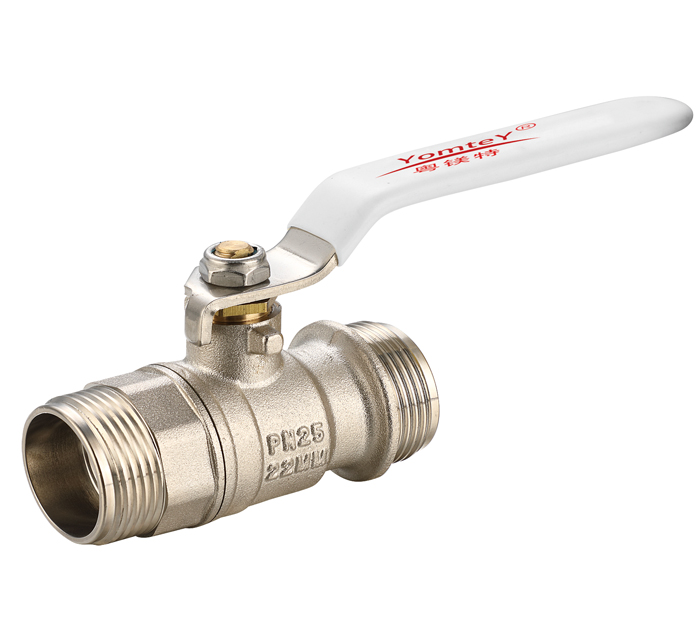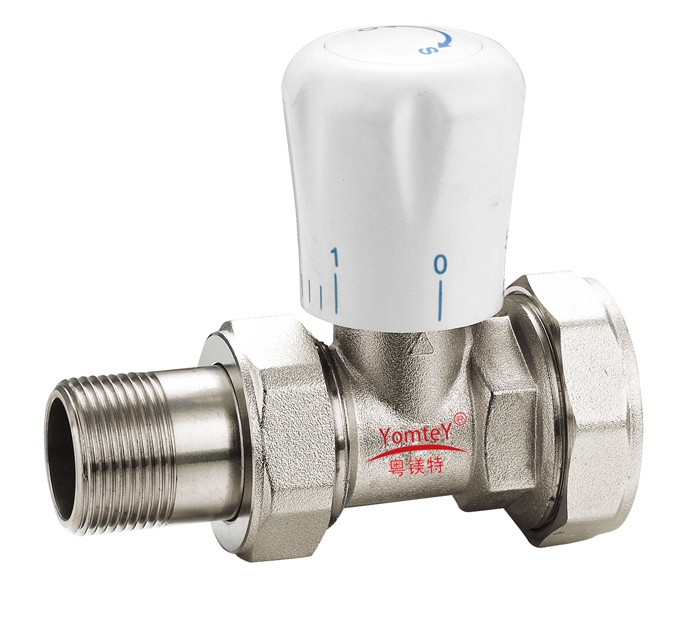
Remote smart water meters are the type of water meter used by the vast majority of families today. They are not only convenient to use and multi-functional, but they also help water departments solve many headaches that previously required countless manpower. So, how does such a convenient and useful remote smart water meter accomplish its data transmission?
Before diving into this knowledge, we first need to know that there are two main methods for water meter transmission: wired and wireless.
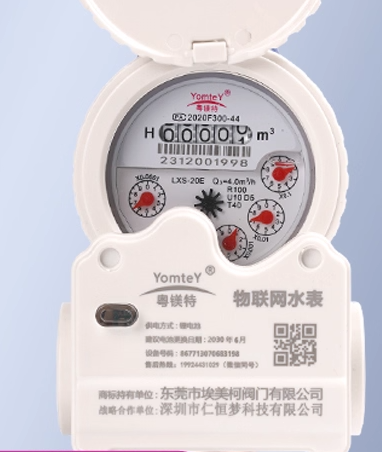
Wired transmission includes separate-line systems and bus systems.
In a separate-line system, each meter connected to the system does not have an individual address code, and a dedicated signal line must be connected separately to the meter reading device.
The bus system is divided into RS485 and MBUS transmission:
1.RS485 is a bus communication standard that specifies the waveform or electrical signal for each digit of data on the transmission line; it belongs to the physical layer of communication.
2.MBUS specifies which specific sequence of numbers must be transmitted to represent a command for a particular function; it belongs to the communication protocol layer. This is like the Morse code often seen in TV dramas, where different lengths represent different but fixed pieces of information, and these pieces form more complex commands that are then interpreted.
Wireless transmission is divided into short-range wireless transmission (LoRa) and long-range wireless transmission (NB-IoT).
LoRa is more suitable for a Local Area Network (LAN) model where the base stations and data management are set up and managed by the user themselves. Many farms and bases use this model.
NB-IoT is better suited for Wide Area Network (WAN) deployment. Operators build and manage the base stations, and users only need to pay for usage or activation to transmit data through the operational network, much like mobile data on a cell phone, making it more hassle-free.
With the continuous update and iteration of science and technology, around 2016, two technologies named NB-IoT and eMTC appeared on the market, both utilizing the unified 3GPP standard to expand the Internet of Things.
This technology is characterized by its industry-standard nature, making it open, and its technical direction involves a gradual evolution toward 5G, meaning the standard will constantly be improved and upgraded.
Today, it is undeniable that regardless of the technology used or the underlying operational logic, the remote smart water meter has become an indispensable part of everyday life.
This is not only because of their simple and convenient installation and low construction costs, but also due to their excellent security and stability. This allows users to have a more attentive and convenient experience, avoiding the security and accuracy risks brought by staff visiting homes to read meters, and enables water supply departments to complete their work in a more precise and labor/resource-saving manner.
Copyright © YomteY Group Co., Ltd. All Rights Reserved | Sitemap